

Wholesale Blank Apparel: Sourcing, Minimums & Inventory (2027)
Wholesale blank apparel is the inventory layer under nearly every print shop, clothing brand, and merch table we supply, and it all ships out of our Chicago warehouse. If you sell decorated garments, the blank is the piece your customer actually wears, so fabric weight, fit, and finishing decide whether you get a reorder or a return. Our racks stay stocked with heavyweight French terry tees, performance tees, hoodies, fleece, and all-season quarter-zip pullovers, all available with no minimum and tiered pricing that starts at five units. What follows is how we think about sourcing, minimums, and inventory, so you can choose a blank apparel supplier in Chicago or anywhere else with your eyes open.
What Counts as Wholesale Blank Apparel
Blank apparel means undecorated garments that arrive ready for printing, embroidery, or labeling. Nothing is on the chest yet: no print, no patch, no brand name beyond the mill's own. In practice the category covers t-shirts, hoodies, fleece, quarter-zips, and performance pieces, along with the fit variations that go with them, including men's, women's, youth, and extended-length cuts.
Wholesale describes how you buy rather than what you buy. Trade pricing, tiered unit costs, case-friendly ordering, and account terms sit on the wholesale side. A minimum order quantity sometimes comes with it, but not always. Some suppliers sell blanks one piece at a time, which matters when you want to test a color before committing to a full run.
Why Resellers Keep Buying Blanks
Blanks give you three things a decorated-only catalog cannot. First, control: you decide the print, the placement, and the finish, so the product is yours rather than a supplier's design. Second, margin: an undecorated garment costs less than a finished one, and the value you add with decoration is the value you keep.
Third, flexibility. A single style in five colors becomes dozens of SKUs once you add screen print, embroidery, DTF, or DTG. That is how small shops build a real catalog without warehousing finished designs that may not sell. When a design flops, you still hold sellable inventory. When one takes off, you reorder the same blank instead of rebuilding the product from scratch.
Supplier Checklist: What to Look For Before You Commit
Most sourcing problems trace back to a question nobody asked before the first purchase order. Run through this list before you put money down.
|
What to check |
Why it matters |
How we handle it |
|---|---|---|
|
Minimum order |
A per-color minimum blocks small tests and slow movers |
No minimum on blanks; tiered pricing starts at five units |
|
Fabric specification |
Weight, yarn, and shrinkage decide how a garment feels after ten washes |
Spec sheets list yarn count, GSM, bio-washed finishes, and low-shrinkage cotton |
|
Stock depth |
Fast reorders depend on the supplier actually holding inventory |
Blanks ship from our Chicago warehouse, not a drop-ship queue |
|
Decoration options |
Splitting work across suppliers multiplies lead times and color-matching errors |
Screen printing, embroidery, emboss, DTF, and DTG under one roof |
|
Private label path |
Own-brand tags are how resellers stop competing on price alone |
Tear-away labels and private label from about 50 units |
|
Shipping terms |
Freight can erase a thin per-unit margin |
Free shipping threshold and sample kits; ask us for current terms |
|
Account support |
Program buyers need a person, not a ticket queue |
Partner Program plus business, franchise, and event accounts with rebates and named contacts |

Minimums, Tiered Pricing, and Shipping Math
No Minimums and Tiered Pricing From 5 Units
We sell blanks with no minimum order requirement, which means a single tee or hoodie can leave the warehouse without a special exemption. Price breaks begin at five units and improve as quantity climbs, so a shop testing twelve pieces and a brand ordering a few hundred both land on a workable number. Tiered pricing only helps if you know where the breaks sit, so ask for the current tier sheet before you build a purchase order around an assumed cost.
Sample Kits, Freight, and Free Shipping Thresholds
Sample kits are the cheapest research you can do. Order the styles you are considering, wash them, print them, and judge the hand feel before committing to a color run. On freight, watch the threshold. Many suppliers offer free or reduced shipping above a certain order value, and we publish ours rather than burying it. Consolidating orders to clear that number usually beats splitting purchases across two suppliers to save a few cents per unit.
Match the Decoration Method to the Blank
The decoration decision changes which blank you should buy. A tight, low-shrinkage weave holds fine detail in DTG. A heavyweight French terry surface gives embroidery something substantial to sit on. Pairing them badly is the most common reason a finished garment looks off even when the artwork is clean.
|
Decoration method |
Best suited to |
What to know |
|---|---|---|
|
Screen printing |
Bulk runs and bold spot-color graphics |
Lowest per-unit cost at volume on combed ring-spun and heavyweight tees |
|
Embroidery |
Logos, polos, fleece, and quarter-zips |
Stitch density and backing matter; heavier surfaces carry it better |
|
Emboss |
Subtle tonal branding |
A raised, no-ink look that suits performance tees and fleece |
|
DTF |
Detailed multicolor artwork |
Applies to cotton and blends; strong for smaller runs |
|
DTG |
Photographic and gradient prints |
Works best on cotton with a tight, side-seamed weave |
A Boring-on-Purpose Starter Inventory
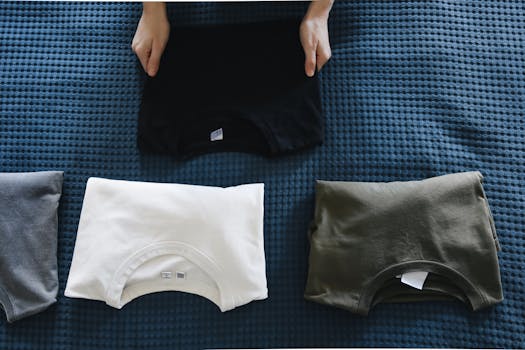
The fastest way to tie up cash is a colorful first order. Start with styles that move predictably, then branch out once you know what your buyers reorder.
- One midweight combed ring-spun tee in white, black, and navy
- One heavyweight French terry tee for premium pricing
- One performance tee for teams, events, and warm-weather work
- One pullover hoodie in a midweight fleece, since wholesale blank hoodies carry the highest perceived value on this list
- One crew fleece for shoulder-season layering
- One all-season quarter-zip pullover for corporate and uniform programs
- Extended-length versions of your best seller if tall sizing moves in your market
White, black, and navy restock fastest across the trade for a simple reason: they are the easiest to reorder and the hardest to get stuck with. Add color once a style proves itself, not before.
Why Sourcing From a Chicago Warehouse Moves Faster
Domestic sourcing removes the two slowest parts of an overseas order: the production window and the customs clearance line. When blanks ship from a US warehouse, the clock starts at packing, not at a factory queue on another continent.
Geography helps too. A centrally located warehouse generally shortens ground transit to both coasts compared with coastal-only distribution, and it makes the Midwest a short haul rather than a cross-country trip. For a print shop working against a deadline, or an event organizer who needs garments in hand before a date that cannot move, that difference shows up on the calendar.
Our operation runs out of Chicago, so blanks and decoration sit in the same building. You are not waiting on one supplier to ship blanks to a second vendor who then decorates them. One purchase order, one packing list, and one point of contact when something has to change at the last minute.
Common Mistakes Resellers Make With Blanks
- Buying deep on a color before testing it. A full run of a shade nobody reorders is dead money.
- Choosing the blank after the decoration. Fabric weight and weave should drive the method, not the reverse.
- Ignoring shrinkage and fabric weight. A thin, high-shrinkage tee that twists after washing costs more in returns than the per-unit savings.
- Treating shipping as an afterthought. Freight and threshold math belong in your landed cost, not in a separate mental bucket.
- Skipping the reorder plan. If a design sells, you need the same style and color available before the next event.
- Running every step through a different vendor. Splitting blanks, decoration, and labeling across three suppliers multiplies lead time and error.
None of these mistakes are exotic. They come from moving fast, and all of them are avoidable with a sample kit and one honest conversation before the first large purchase.

Start With Samples, Then Scale
We build the garments. You build the empire. That line only works when the foundation is right, and the foundation is the blank you choose plus the supplier standing behind it. Request a sample kit, compare our heavyweight French terry tees, performance tees, hoodies, fleece, and quarter-zips against what you stock now, then order at whatever quantity the next job requires. No minimum, tiered pricing from five units, decoration and private label under the same roof, and a Chicago warehouse ready to ship.
Frequently Asked Questions
Is there a minimum order for no-minimum blank apparel?
There is not. We sell blanks with no minimum order requirement, so you can buy a single piece to test a fit or color before committing to a larger run. Tiered wholesale pricing begins at five units and improves as quantity increases. Ask for our current tier sheet before you place a large order so the pricing is not a surprise.
Can you decorate the blanks you sell?
Yes, and that is the point of buying from one supplier instead of assembling a job across vendors. We handle screen printing, embroidery, emboss, DTF, and DTG in house, so blanks and decoration share a single lead time and one shipping estimate. Tell us the artwork and the deadline, and we will match the fabric to the method.
What is the minimum for private label?
Private label starts at about 50 units. That covers your own branding on the garment instead of the mill's, including tear-away labels on the styles that support them. The entry point is aimed at small brands and creators who want their own label without committing to the volume a large factory would require.
Do you offer sample kits?
We do. Sample kits let you wash, print, and wear the garments before placing a production order, which is the only reliable way to judge weight, shrinkage, and hand feel. Order the styles and colors you are considering, compare them against your current stock, then scale into a real order with the pricing tiers already in hand.
Do you work with print shops, franchises, and event organizers?
We do, and each group gets a different setup. Print shops and decorators join our Partner Program for trade pricing, priority inventory, and lead routing. Businesses, franchises, and event organizers work through program accounts with rebates and a named contact, so a multi-location order does not turn into an anonymous ticket queue.